If you’re selling a home, a real estate virtual tour can help attract more serious buyers, increase online engagement, and reduce unnecessary property showings. As more buyers begin their home search online, virtual tours have become an essential part of modern real estate marketing.
Unlike traditional photos, virtual tours let buyers explore a property’s layout, room sizes, and flow before visiting in person. This helps buyers make more informed decisions and gives sellers a better chance of attracting qualified leads.
In this guide, you’ll learn how real estate virtual tours work, why they help homes sell faster, what they cost, and how to prepare your property to get the best results.
What Are Virtual Home Tours?

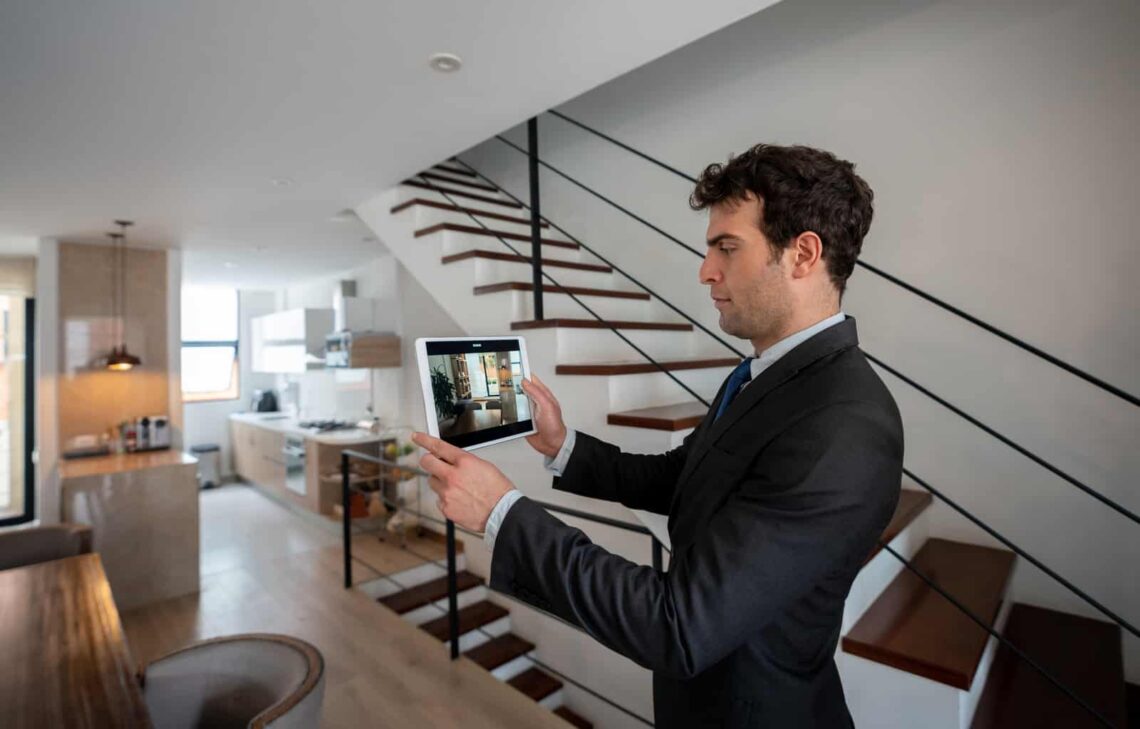
A real estate virtual tour is an interactive online walkthrough that lets buyers explore a home from anywhere using their computer, tablet, or smartphone. Instead of looking at a few photos, buyers can move through different rooms, view the property from multiple angles, and get a much better understanding of the home’s layout before scheduling a visit.
For sellers, virtual tours are a powerful marketing tool because they showcase the property in a more engaging way than photos alone. Buyers can spend more time exploring the home online, helping them decide whether it’s worth visiting in person.
These tours are created using 360-degree cameras or 3D scanning technology to capture every room in a home. Buyers can move through the property at their own pace, zoom in on important details, and get a realistic understanding of how each room connects before scheduling an in-person visit.
There are several types of virtual house tours used in modern real estate listings.
360 Degree Virtual Tours
A 360-degree virtual tour lets buyers look around a room in every direction from a fixed point. While they cannot move freely through the home, they can explore each room in much greater detail than they could with standard listing photos.
3D Virtual House Tours
3D virtual tours use advanced scanning technology to create a digital copy of the home. Buyers can walk from room to room virtually, making the experience feel much closer to an actual property visit.
Video Walkthrough Tours
Some listings include guided video tours where a camera moves through the property while highlighting important features. Although these are less interactive than 3D tours, they still provide a strong sense of the layout and flow of the property.
No matter the format, the purpose of real estate virtual tours remains the same: to help buyers understand the property better before scheduling an in-person visit.
The Evolution of Property Marketing

Real estate marketing has evolved significantly over the years. Before the internet transformed the industry, buyers relied primarily on agents and printed listings to learn about available homes.
As online real estate platforms became more popular, photography became the main tool for showcasing homes digitally. High-quality photos helped listings stand out and allowed buyers to preview properties before scheduling visits.
Eventually, video walkthroughs began appearing on property listings. These videos provided a more immersive experience than photos alone, but they still limited how buyers could explore the space.
The next step in this evolution was the introduction of virtual tours of homes, which allow buyers to move through the property themselves. Instead of watching a video or viewing a collection of images, buyers can explore the space interactively.
Today, many buyers expect listings to include some form of digital walkthrough. As technology continues to improve, virtual home tours are becoming one of the most effective ways to present a property online.
Why Virtual Tours Are Becoming Standard in Real Estate

The growing popularity of virtual tours reflects how buyers now evaluate homes during the early stages of their search.
Before contacting an agent or scheduling a showing, many buyers spend hours researching properties online. Listings that provide detailed visual experiences tend to receive more attention and engagement.
Several key factors explain why virtual house tours have become so valuable in modern real estate marketing.
Buyers Want More Information Before Visiting
Traveling to view homes requires time and effort. Virtual tours allow buyers to explore properties remotely and narrow down their choices before scheduling visits.
Listings With Virtual Tours Get More Engagement
Homes that include virtual tours of homes often receive more clicks and longer viewing times. Buyers are more likely to stay engaged when they can explore the property interactively.
Virtual Tours Attract Remote Buyers
Many buyers relocate from different cities or states. Virtual home tours allow these buyers to explore properties without traveling immediately.
Sellers Attract More Serious Buyers
When potential buyers have already viewed the property through a virtual tour, they often arrive at showings with a clearer understanding of the space. This helps eliminate casual visits and increases the likelihood of serious offers.
Why Virtual Home Tours Help Sell Homes Faster

One of the most significant advantages of virtual tours is their ability to generate stronger buyer interest early in the listing process.
When buyers can fully explore a property online, they gain confidence in their understanding of the home. This often leads to faster decision-making and more serious inquiries.
Here are several ways virtual home tours can help homes sell more quickly.
Better Online Visibility
Listings with virtual tours often stand out on real estate platforms. Buyers browsing multiple listings are naturally drawn to properties that offer interactive walkthroughs.
Improved Buyer Confidence
Photos alone cannot always convey the layout or flow of a home. A virtual house tour allows buyers to understand how rooms connect and how large each space feels.
Reduced Unnecessary Showings
Virtual tours help filter out buyers who may not be genuinely interested. Those who request showings after viewing the tour are often more serious.
Stronger Emotional Connection
When buyers explore a home through a virtual walkthrough, they can imagine themselves living in the space. This emotional connection often increases their motivation to make an offer.
Preparing Your Home Before Creating a Virtual Tour
Although virtual tours are powerful marketing tools, their effectiveness depends heavily on how well the home is prepared before filming. Because buyers can examine every detail of the property during a virtual walkthrough, preparation becomes even more important.
Before Creating a Real Estate Virtual Tour: Checklist
☐ Declutter every room and remove unnecessary furniture.
☐ Open curtains and blinds to let in natural light.
☐ Turn on every light before the photographer arrives.
☐ Clean windows, mirrors, and glass doors.
☐ Hide personal photos and valuables.
☐ Make all beds and neatly arrange furniture.
☐ Remove pet bowls, toys, and litter boxes.
☐ Mow the lawn and tidy the front entrance.
☐ Fix small issues like chipped paint or loose cabinet handles.
☐ Store cleaning supplies, bins, and cables out of sight.
Renovations to Consider Before Listing a Home

Virtual tours work best when the home itself is visually appealing. For this reason, many homeowners complete small upgrades before listing their property.
These improvements can dramatically enhance how the home appears in virtual tours of homes and increase buyer interest.
Fresh Interior Paint
Neutral paint colors make spaces appear larger and more modern.
Updated Lighting
Replacing outdated light fixtures improves both the appearance of the home and the quality of the virtual tour.
Kitchen Improvements
Simple upgrades such as replacing cabinet handles or installing modern faucets can refresh the kitchen without requiring a full renovation.
Bathroom Updates
New mirrors, updated lighting, or modern fixtures can quickly improve the appearance of bathrooms.
Flooring Improvements
Clean, well-maintained floors make a strong impression during virtual walkthroughs.
Home Upgrades That Increase Property Value Before Selling

Beyond cosmetic improvements, some upgrades can also increase the overall value of a home.
These improvements not only help a property appear more attractive during a virtual house tour but can also improve buyer confidence and perceived value.
Exterior and Curb Appeal
The outside of a home creates the first impression for buyers. Landscaping, exterior lighting, and a clean entryway can significantly improve the listing.
Kitchen Enhancements
Small kitchen upgrades often provide strong returns when preparing a property for sale.
Bathroom Improvements
Modern fixtures and fresh finishes can make bathrooms feel more updated and inviting.
Energy Efficiency Improvements
Energy-efficient appliances, smart thermostats, and improved insulation are attractive features for many buyers.
Cost of Creating Virtual Home Tours

The cost of producing a real estate virtual tour varies depending on the technology used and the size of the property.
Basic virtual house tours may cost a few hundred dollars, while advanced 3D scanning tours can cost more depending on the complexity of the project.
However, many sellers find that virtual tours are a worthwhile investment because they increase buyer engagement and improve the overall presentation of the property.
When combined with thoughtful upgrades and proper home preparation, a virtual tour can make a listing far more competitive in the housing market.
The Future of Virtual Tours in Real Estate

Technology continues to transform the real estate industry, and virtual tours are evolving rapidly.
Several innovations are shaping the future of virtual home tours.
Virtual Staging
Digital staging tools allow empty properties to appear fully furnished in virtual tours.
Interactive Floor Plans
Some modern tours include interactive floor plans that help buyers understand the layout of the home.
Augmented Reality
Future virtual tours may allow buyers to visualize renovation ideas or furniture layouts directly within the digital walkthrough.
As these technologies develop, virtual tours of homes will likely become even more immersive and valuable for buyers and sellers alike.
Frequently Asked Questions
What is a virtual home tour?
A virtual home tour is an interactive digital walkthrough that allows potential buyers to explore a property online using 360-degree photography or 3D scanning technology.
Are virtual house tours worth it when selling a home?
Yes. Virtual tours allow buyers to understand a property’s layout before visiting in person. Listings with virtual tours often receive more engagement and attract more serious buyers.
How much does a real estate virtual tour cost?
The cost of a real estate virtual tour typically ranges from around $100 to several hundred dollars depending on the size of the property and the technology used.
Do virtual tours increase home value?
Virtual tours themselves do not directly increase property value, but they improve how a home is presented to buyers. When combined with staging and small upgrades, they can help generate stronger offers.
Final Thoughts
Selling a home today requires more than simply posting a listing online. Buyers expect detailed digital experiences that help them evaluate properties before scheduling showings.
Virtual home tours provide that experience. They allow buyers to explore properties remotely, understand the layout of a home, and imagine how the space might fit their lifestyle.
When combined with thoughtful preparation, small renovations, and strategic upgrades, virtual house tours can significantly improve how a property is presented and help attract serious buyers.
As real estate technology continues to evolve, virtual tours will remain an essential tool for homeowners and agents looking to showcase properties effectively in a competitive housing market.